The Cultural and Strategic Depth of Mahjong
Mahjong, often spelled "Mah-jongg," is a game that resonates deeply with its cultural roots and strategic intricacies. This classic game, originating from China, has evolved into various forms and is widely played across the globe. The game's popularity extends beyond its entertainment value, encompassing aspects of cultural tradition and strategic thinking.
The Origins of Mahjong
Mahjong dates back to the Qing Dynasty, with its exact origins shrouded in mystery and folklore. Some speculate that the game was conceived by Chinese philosophers seeking tranquility, while others believe it was designed by a Chinese Admiral to keep soldiers entertained during long voyages. What is indisputable is that Mahjong swiftly captured the imagination of players, evolving over centuries into the game we know today.
Gameplay and Structure
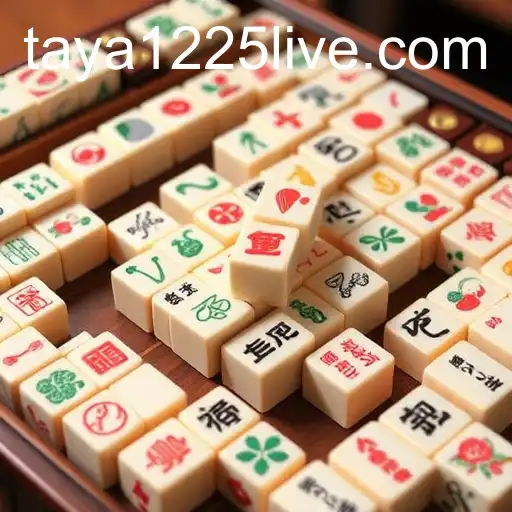
The standard Mahjong set comprises 144 tiles, categorized into suits and honor tiles. The typical suits include Bamboo, Characters, and Dots, each reflecting various elements of Chinese culture. Additionally, there are honor tiles labeled as Wind and Dragon tiles. The primary objective of the game is to assemble a winning hand, typically consisting of four sets (pung, kong, or chow) and a pair.
Each player begins with 13 tiles, drawing and discarding to craft the best possible combination. The orchestration of these resources demands both strategic acumen and a deep understanding of the game dynamics. This melding of strategic depth with chance makes Mahjong both challenging and exhilarating.
The Global Spread of Mahjong
Mahjong's journey beyond Chinese borders began in the early 20th century, with its introduction into Western cultures. In America, Joseph P. Babcock patented Mahjong in 1920, sparking a nationwide craze that saw the game being embraced in parlors and homes. By the mid-1920s, Mahjong had begun influencing Western social circles, even inspiring adaptations such as American Mahjong, which includes scorecards and different rulesets.
Today, Mahjong enjoys international recognition, with each region adapting the game to suit its cultural context. The Japanese variant, Riichi Mahjong, introduces a layer of complexity with point systems and additional rules, while Southeast Asia has birthed its own distinctive styles.
Mahjong as Cultural Phenomenon
For Chinese communities globally, Mahjong symbolizes more than just a game. It is an integral part of social gatherings, family reunions, and festivals. Much like its origins, Mahjong sessions often encompass leisurely afternoons with family and friends, fostering bonds as tiles clatter against each other.
Widely considered a microcosm of life, Mahjong teaches lessons of patience, strategy, and timing. The game emphasizes adapting to ever-changing circumstances, a valuable skill that transcends the gaming table.
Mahjong's Modern Evolution
The digital age has breathed new life into Mahjong, with online platforms offering virtual play against international opponents. Mobile apps have made the game more accessible, welcoming new generations to Mahjong's vibrant community. Competitions and tournaments have further institutionalized Mahjong as a competitive sport, culminating in the World Mahjong Championship that attracts players from various countries.
Additionally, the game's influence in popular culture has expanded, with its presence in films, television series, and literature providing a window into its rich history and significance. Mahjong has also inspired designers and artists, leading to the creation of bespoke tile sets that are as much artistic endeavors as they are gaming tools.
Strategic Elements of Mahjong
Success in Mahjong is rooted in strategy, requiring players to balance offensive and defensive tactics. Understanding probability and mastering the art of reading opponents are pivotal skills. Players must make calculated decisions on when to declare a win or when to fold their hand to prevent opponents from succeeding.
Strategies such as "TAYA1225" have emerged as focal points of strategic study within the Mahjong community, highlighting the depth and complexity of the game. Whether it's through practicing different tile combinations or understanding the flow of tile discards, players continuously hone their strategic prowess.
The balance between skill and luck in Mahjong ensures that no two games are the same, keeping players engaged and always learning.
The Continued Allure of Mahjong
Despite evolving through time and shifting cultural landscapes, Mahjong's allure remains timeless. Its blend of strategic depth, cultural heritage, and social interaction appeals to diverse audiences worldwide. Whether played casually among friends, in competitive tournaments, or in a cozy family setting, Mahjong offers a unique combination of elements that continues to captivate and enrich the lives of those who delve into its world.
As both a cultural artifact and a dynamic strategy game, Mahjong embodies the intricate beauty of shared experiences and the universal appeal of well-crafted games.